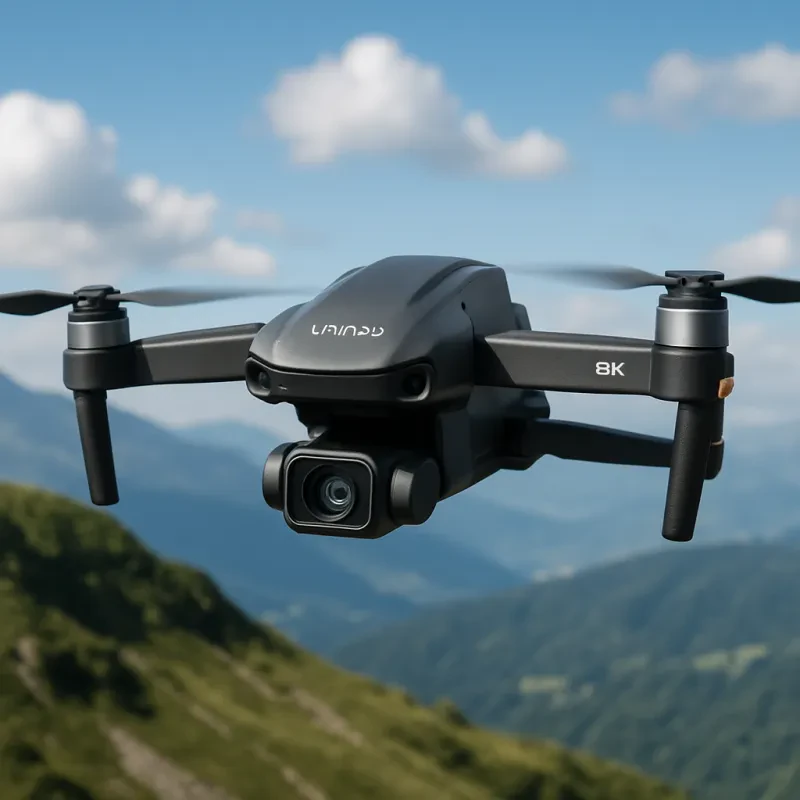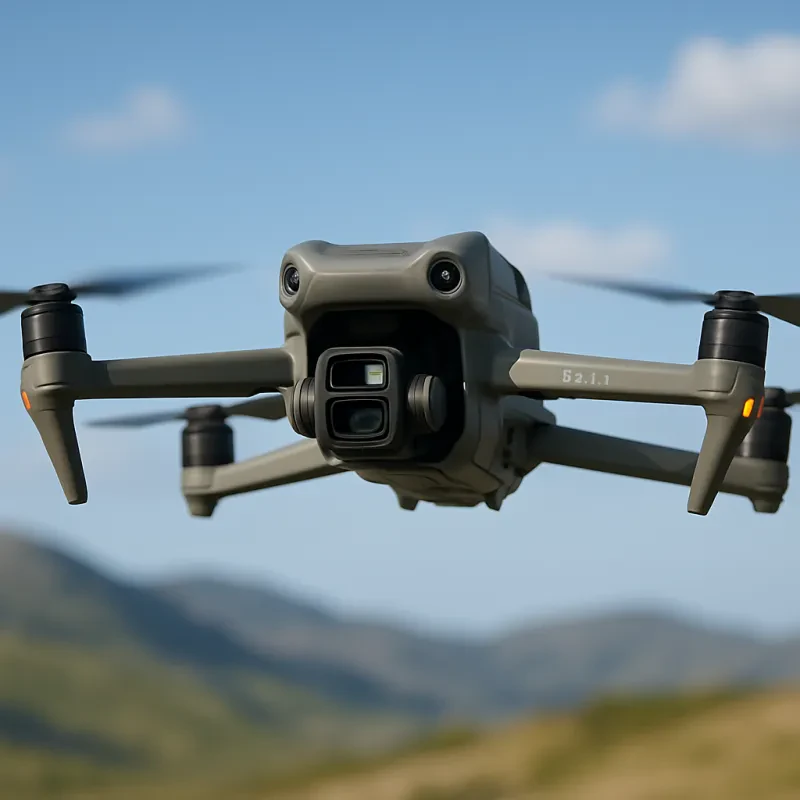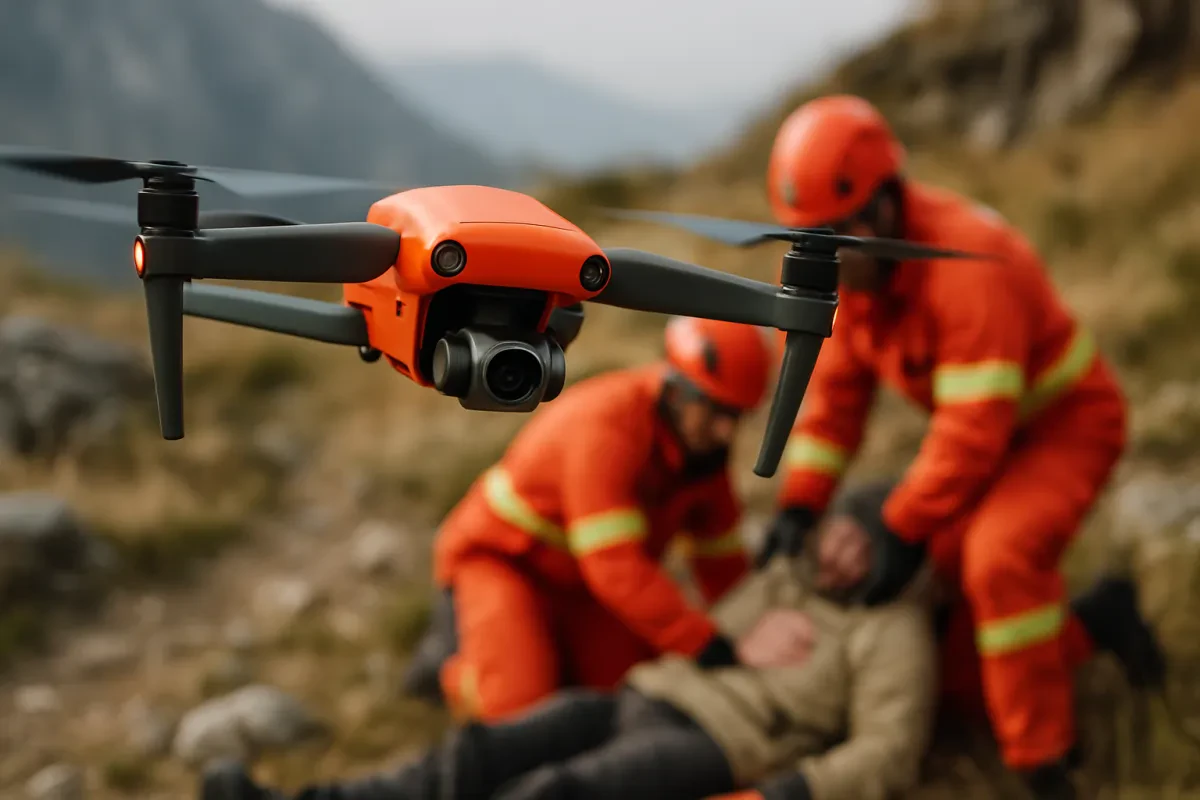
Drones for rescue operations can be real lifesavers in emergency situations. When disaster strikes, every second counts, and these flying devices make it possible to get help where it’s needed quickly. They can cover large areas in no time, scouting for people in distress and providing real-time information to rescue teams.
Imagine a natural disaster like an earthquake or flood. Drones can easily assess damage and locate survivors, even in tough-to-reach places. With thermal cameras and high-resolution imaging, they spot heat signatures or movements that would be hard to see otherwise. This means rescuers can focus their efforts on specific locations, improving the chances of finding someone in need.
Not only that, but drones for rescue operations can also deliver essential supplies like food, water, and medical kits. If a remote area gets cut off after a storm, drones can fly over to drop supplies right where they’re needed. This can mean the difference between life and death for people cut off from help.
Plus, using drones reduces the risk to human rescuers. By sending in a drone first, teams can assess a situation with less danger to themselves. The data collected helps them plan their approach and execute rescues more safely and effectively.
So, when emergencies happen, drones play a crucial role. They're fast, efficient, and capable of making a real difference in saving lives. Drones for rescue operations are paving the way for smarter, safer emergency response strategies.
How Drones Enhance Rescue Missions
Drones for rescue operations are game changers. Picture this: a team searching for missing hikers in the mountains or assessing damage after a natural disaster. With drones, they can cover vast areas quickly, getting a bird’s-eye view that helps locate individuals or assess hazards. It speeds things up, and every second matters in emergencies.
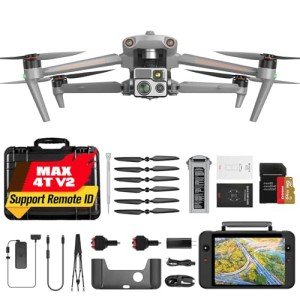
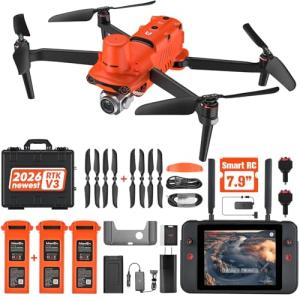
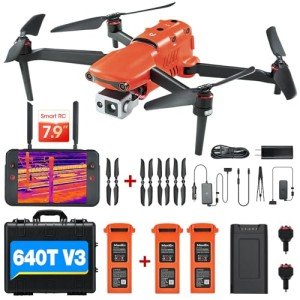
These drones come equipped with high-resolution cameras and thermal imaging. This means they can spot heat signatures, which is crucial in finding people lost in the woods, especially at night. Imagine a drone sailing above, highlighting a warm spot on the ground. That could be a person needing help. It's a powerful tool that takes search efforts to the next level.
Communication is key in rescue missions, and drones help here too. Many drones have built-in speakers or can relay messages. Rescue teams can use them to communicate with those trapped or lost, giving guidance or reassurance while help is on the way. This kind of support can make a huge difference in high-stress situations.
The benefits don’t stop at just searching. Drones for rescue operations can also deliver essential supplies like food, water, and even medical kits to those stranded or injured in hard-to-reach places. They can deliver life-saving items quickly, bridging the gap until ground teams can reach the scene. This combination of speed and efficiency is why more rescue teams are turning to drones.
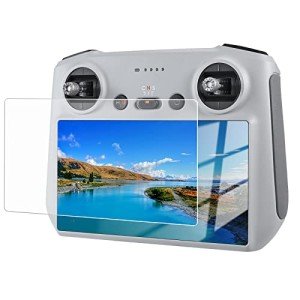
Skyreat Anti-Glare Screen Protector for DJI Drones
Keep your drone's screen clear and protected from glare for better visibility and control while flying
Product information
$11.99
Product Review Score
4.71 out of 5 stars
117 reviewsProduct links
Choosing the Right Rescue Drone
One key factor is the drone's flight time. You don’t want to run out of battery when it's important. Look for drones that offer at least 20-30 minutes of flight time. Also, consider the range. How far can it go? A good rescue drone should cover significant distances, especially if you’re searching in large areas.
Camera quality is another major point. High-resolution cameras with thermal imaging can help spot people in distress, even in low visibility conditions. Plus, features like GPS and automated flight paths make it easier to navigate and track locations. Don’t forget about the drone's durability; it needs to be able to handle rough weather and tough terrains.
If you’re working in a team, check if the drone supports multiple users and real-time data sharing. This can help your group work together better during emergencies. It’s all about finding the right balance of performance and features that suit your specific rescue needs. Investing in the right drones for rescue operations can really make a difference when every second counts.
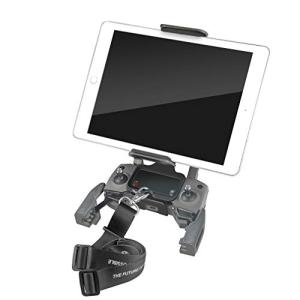
Hanatora Tablet Phone Holder with Lanyard for DJI Drones
Keep your hands free and your device secure with this handy tablet and phone holder designed for DJI drones
Product information
$16.99
Product Review Score
4.48 out of 5 stars
88 reviewsProduct links
Real Stories of Drones Saving Lives
Have you ever heard about how drones for rescue operations have made a real difference in emergencies? Let me share a couple of incredible stories that show just how powerful these flying gadgets can be.
In one case, a hiker got lost in a dense forest. The search and rescue team struggled to find him because the area was so tricky to navigate. They deployed a drone equipped with a thermal camera. Within minutes, the drone spotted the hiker's heat signature and guided the rescuers straight to him. This quick action saved valuable time and ultimately saved his life.
Then there’s the story of a flood in a small town. The water was rising fast, and people were trapped on rooftops waiting for help. Drones for rescue operations took to the sky, delivering essential supplies like food and medicine to those who couldn’t get down. They even helped locate people in distress, ensuring that the rescue teams could reach them in time. It was a game changer.
These stories show the incredible potential of drones for rescue operations. They can reach areas that traditional methods can’t and provide timely support when every second counts. With technology evolving, who knows what kind of life-saving missions drones will be involved in next?